Ideal Season to Experience the Great Wildebeest Migration & Calving Spectacle in Tanzania’s Southern Serengeti Ecosystem
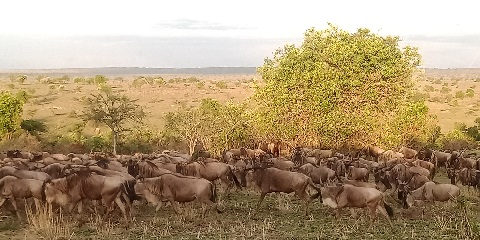
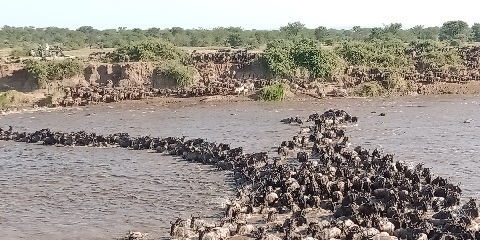
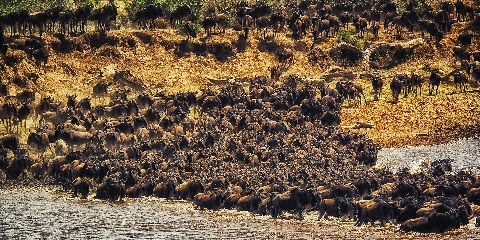
The ideal season to experience the Great Wildebeest Migration in Tanzania’s Southern Serengeti is from December to April, when the vast short-grass plains of Ndutu, Kusini, and the Ngorongoro Conservation Area transform into the primary calving grounds of more than two million wildebeests, zebras, and gazelles. Triggered by the short rains of November and December, the southern plains become rich in nutritious green grass, attracting massive herds that spread across the endless savannah in preparation for the dramatic calving season. Late January through February marks the peak of this wildlife spectacle, with nearly 8,000 wildebeest calves born every single day, creating one of the highest concentrations of wildlife activity anywhere in Africa. The abundance of newborn calves naturally attracts powerful predators including lions, cheetahs, hyenas, and leopards, turning the Southern Serengeti into an extraordinary theatre of predator-prey interaction and raw survival. Unlike river-crossing periods in the north, the Southern Serengeti migration experience focuses on immense open plains filled with scattered herds, dramatic predator action, and the emotional beauty of newborn wildlife taking their first steps in the wild. Although migration patterns can slightly shift depending on rainfall and weather conditions, Ndutu and the Southern Serengeti consistently remain the best locations to witness the beginning of the Great Migration cycle. As the dry season gradually approaches around April and May, the herds start moving northwest toward the Western Corridor and Grumeti region in search of greener pastures, continuing their famous clockwise migration through Serengeti National Park and Kenya’s Masai Mara ecosystem before eventually returning south again with the arrival of the next rains. A Southern Serengeti migration safari during the calving season offers not only exceptional wildlife viewing, but also one of the most authentic and emotionally powerful safari experiences in Africa’s natural wilderness.