E-mail: sales@africanaturaltours.com WhatsApp: +255764415889
Filter Options

Starting From

Tour Level

Safari Type

Year

Months

Destinations

Serengeti Wildebeest Migration Safaris from Arusha: Experience Africa’s Greatest Wildebeest Migration in Serengeti

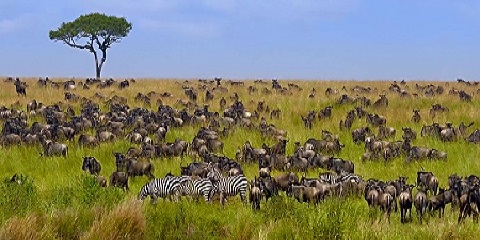
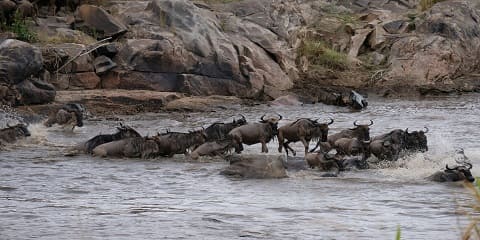
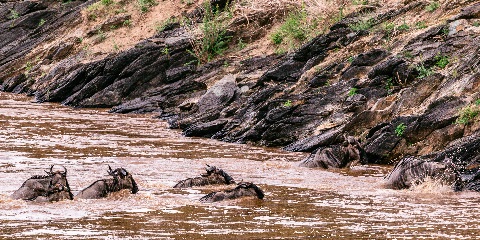
The Serengeti Wildebeest Migration Safaris from Arusha takes you from Arusha into the heart of Tanzania’s most dramatic wildlife regions, where the journey unfolds across the Southern Serengeti (Ndutu area), Central Serengeti National Park, Northern Serengeti National Park, and Ngorongoro Crater Conservation Area. This carefully designed route follows the full rhythm of the Great Migration and the diverse ecosystems that sustain it throughout the year. The journey begins in the Southern Serengeti (Ndutu region), especially famous between December and March, when the vast plains become the calving ground of the Great Migration. Here, thousands of wildebeest give birth in a short period, attracting predators such as lions, cheetahs, and hyenas, creating one of the most intense wildlife interactions in Africa. The open grasslands of Ndutu offer incredible visibility and dramatic predator-prey encounters in a raw, natural setting. From there, the safari continues into the Central Serengeti (Seronera Valley), a year-round wildlife hub known for its high concentration of predators, large herds of herbivores, and iconic savannah landscapes. This region acts as the core movement zone of the migration, where animals pass through as they follow rainfall and fresh grazing routes. The journey then reaches the Northern Serengeti National Park, a quieter and more remote region stretching from the Lobo Hills toward the Mara River area near Kogatende and Lamai Wedge. This area is defined by rolling green hills, scattered woodlands, and open plains that create a scenic contrast to the southern grasslands. It is here, between July and October, that the famous Mara River crossings take place, where thousands of wildebeest and zebras risk strong currents and crocodile-filled waters in search of greener pastures in Kenya’s Maasai Mara. Completing the circuit is the Ngorongoro Crater Conservation Area, a UNESCO World Heritage Site and one of the most densely populated wildlife areas in Africa. The crater floor is home to elephants, lions, buffalo, flamingos, and the rare black rhino, offering a final spectacular wildlife experience before returning to Arusha. This safari delivers a complete migration journey—moving from the calving grounds of Southern Serengeti, through the predator-rich Central Serengeti, into the river-crossing drama of Northern Serengeti, and ending in the wildlife-rich Ngorongoro Crater—offering one of the most diverse and immersive safari experiences in Africa.

Selected filters:
Clear All Filters

7 Curated Tour Experiences

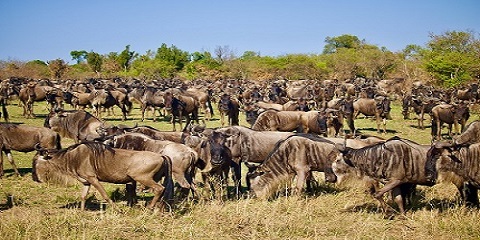
The Serengeti National Park Migration Zones represent the key ecological regions that shape the movement of the Great Wildebeest Migration throughout the year. Each zone plays a unique role in the survival cycle of over 1.5 million wildebeest, accompanied by zebras and gazelles, as they follow rainfall, fresh grazing, and instinct-driven routes across Tanzania’s most iconic wilderness. From calving grounds to river crossings and predator-rich plains, these zones create one continuous natural circuit that defines the Serengeti ecosystem.

Central Serengeti (Seronera Zone) – Year-Round Wildlife Hub

The Central Serengeti (Seronera Valley) is the core of the ecosystem and a permanent wildlife stronghold. It is active throughout the year and serves as a key movement corridor for migrating herds. The region is famous for its high density of predators, including lions, leopards, and cheetahs, supported by abundant herbivores. Its mix of open plains, river systems, and rocky kopjes makes it one of the most reliable game-viewing areas in Africa.

Western Serengeti- (Grumeti River Crossing)

The Western Serengeti (Grumeti area) becomes especially important between May and July, when migration herds move toward the western corridor. This zone is characterized by dense woodlands, river systems, and the famous Grumeti River crossings, where crocodiles wait for migrating herds. It is less crowded and offers a more remote safari experience with dramatic river-based wildlife encounters.

Southern Serengeti (Ndutu Zone) – Calving Grounds

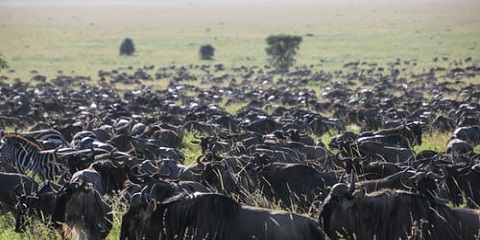
The Southern Serengeti (Ndutu area) is the birthplace of the Great Migration between December and March. This open grassland ecosystem becomes a vast nursery where thousands of wildebeest give birth within a short period. The short, nutrient-rich grasses attract large herds, but also draw predators such as lions, cheetahs, and hyenas. This zone is defined by high predator-prey interaction, making it one of the most intense and dramatic wildlife areas in Africa.

Northern Serengeti – (Iconic Mara River Crossing)

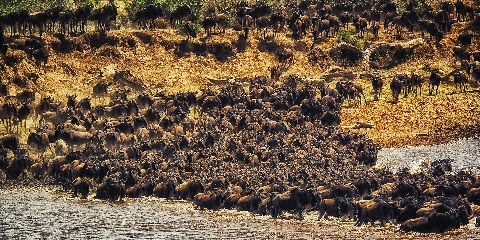
The Northern Serengeti (Kogatende and Lamai Wedge)is the most famous migration zone, especially between July and September, when the legendary Mara River crossings take place. Here, massive herds gather before attempting to cross crocodile-filled waters into Kenya’s Maasai Mara. The landscape features rolling hills, woodlands, and open plains, offering both scenic beauty and intense wildlife action.


The Northern Serengeti (Kogatende & Lamai) is best known for the Mara River crossings between July and september, where massive herds of wildebeest and zebras face crocodile-filled waters while moving into the Maasai Mara. Camps like Sayari Camp, Serengeti River Camp, and Nomad Lamai Serengeti Camp place you close to this dramatic wildlife action. In the Southern Serengeti (Ndutu area), between December and March, seasonal camps such as Ndutu Safari Lodge and Lemala Ndutu Camp offer access to the calving grounds, where thousands of wildebeest give birth and predators are highly active. The Central Serengeti (Seronera) provides year-round wildlife viewing with lodges like Four Seasons Safari Lodge, Serengeti Serena Safari Lodge, Melia Serengeti Lodge, and Kubu Kubu Tented Lodge, plus Seronera Campsite for budget travelers. This is the main predator hub of the park. In the Western Serengeti (Grumeti), between May and July, camps such as Singita Sabora Camp, Grumeti Serengeti Tented Camp, and Mbalageti Lodge offer access to the quieter Grumeti River crossings and remote wilderness. Serengeti accommodation ranges from luxury lodges, mid-range tented camps, to budget campsites, including mobile camps like Ubuntu Camp and Nomad Serengeti Safari Camp that follow the migration for close wildlife access. Each stay in Serengeti is designed to keep you close to nature, offering an authentic safari experience across the migration cycle from calving in the south to river crossings in the north.


The Serengeti Wildebeest Migration Safaris from Arusha is designed to match every travel style, from ultra-comfort to budget-friendly adventure, while keeping you close to the Great Migration across Southern Serengeti (Ndutu), Central Serengeti (Seronera), Western Serengeti (Grumeti), and Northern Serengeti (Mara River region). No matter the safari level you choose, each experience follows the same powerful wildlife movement—only the level of comfort, exclusivity, and accommodation changes.

Serengeti Migration Luxury Safaris from Arusha

The Luxury Safari is the most exclusive way to experience the Serengeti migration, combining high-end comfort with front-row wildlife access. Travelers stay in world-class lodges and luxury tented camps such as Four Seasons Safari Lodge Serengeti (Central Serengeti), Sayari Camp (Northern Serengeti), Singita Sabora Tented Camp (Western Serengeti), and &Beyond Klein’s Camp. These properties are strategically located near key migration routes, including Ndutu calving grounds in the south and Mara River crossings in the north. Guests enjoy private game drives, expert guides, fine dining, and spacious suites overlooking the wilderness. This level is ideal for those who want the migration experience with maximum comfort and personalized service.

Serengeti Migration Mid-Range Safaris from Arusha

The Mid-Range Safaris offers a balance between comfort and value while still staying close to the migration action. Accommodation includes well-rated tented camps and lodges such as Kubu Kubu Tented Lodge (Central Serengeti), Serengeti Serena Safari Lodge, Lemala Ndutu Camp (Southern Serengeti), and Mbalageti Lodge (Western Serengeti). These camps provide en-suite tents, guided game drives, and comfortable dining experiences without the high cost of luxury travel. Guests still follow the full migration route—from calving in Ndutu, predator action in Seronera, river crossings in Grumeti, to dramatic Mara River crossings in the north—but with more affordable comfort.

Serengeti Migration Budget Safari from Arusha

The Budget Safaris is designed for travelers who want to experience the Great Migration in a simple, affordable, and authentic way. Accommodation includes public campsites and basic tented camps such as Seronera Public Campsite (Central Serengeti), Nyani Campsite, Ndutu Campsite area (Southern Serengeti), and designated budget zones near Kogatende (Northern Serengeti). Travelers use shared or group safari vehicles and basic camping setups while still accessing the same migration routes. This level focuses on real wilderness experience—campfires, open skies, and close proximity to nature—without luxury extras, making it ideal for adventure-focused travelers.


2-Day Serengeti Migration Safari from Arusha

This is short but intense safari focuses on Central Serengeti (1 night), the core of wildlife activity and one of the best areas for year-round game drives. Expect close encounters with lions, leopards, elephants, and resident wildebeest herds across the Seronera plains. Designed for travelers with limited time, this itinerary delivers maximum wildlife concentration in the shortest time, making it one of the most efficient Serengeti experiences from Arusha.

3-Day Serengeti Migration Safari from Arusha

This safari combines Central Serengeti (2 nights) for high predator density and Northern Serengeti (1 night), where the Great Migration reaches its peak between July and September at the Mara River. Expect strategic game drives targeting river crossing points, offering a real chance to witness wildebeest and zebras navigating crocodile-filled waters. A powerful short itinerary built for migration-focused travelers.

4-Day Serengeti Migration Safari from Arusha 

This itinerary targets the Southern Serengeti (Ndutu – 1 night), the heart of the calving season (December–March), where thousands of wildebeest give birth daily, attracting intense predator action. It continues to Central Serengeti (2 nights) for extended game drives in big cat territory. This safari is ideal for those seeking raw predator-prey interaction and high wildlife drama.

5-Day Serengeti Migration Safari from Arusha

This safari tracks the migration across Southern Serengeti (1 night), Central Serengeti (2 nights), and Northern Serengeti (1–2 nights). Depending on the season, guests experience calving, herd movement, and Mara River crossings in one itinerary. With extended game drives across multiple zones, this is a balanced and highly rewarding migration safari.6-Day Serengeti Migration Safari from Arusha

6-Day Serengeti Migration Safari from Arusha

This itinerary explores the Western Serengeti (Grumeti – 1 night), famous for Grumeti River crossings (May–July), continues to Central Serengeti (2 nights) for predator tracking, and finishes in Northern Serengeti (2 nights) for Mara River action. It offers a less crowded migration route with strong chances of witnessing river crossings in different locations.

7-Day Serengeti Migration Safari from Arusha 

This safari covers Southern Serengeti (1 night), Central Serengeti (2 nights), Western Serengeti (1 night), and Northern Serengeti (2 nights). It is designed to follow the migration movement across all key zones, from calving grounds to river crossings. With diverse landscapes and continuous game drives, this itinerary delivers a complete Serengeti migration experience.

8-Day Serengeti Migration Safari from Arusha

This extended safari includes Southern (1 night), Central (2 nights), Western (2 nights), and Northern Serengeti (2–3 nights). With more time in each region, travelers benefit from in-depth wildlife tracking, multiple game drives, and increased chances of witnessing migration behavior across all stages. Ideal for photographers and serious wildlife enthusiasts.

 9-Day Serengeti Migration Safari from Arusha

This itinerary prioritizes Northern Serengeti (3–4 nights), supported by Central Serengeti (3 nights) and Southern Serengeti (2 nights). The extended stay in the north significantly increases the probability of witnessing multiple Mara River crossings, making it one of the best options for migration-focused safaris.

10-Day Serengeti Migration Safari from Arusha

This comprehensive safari includes Southern Serengeti (2 nights) for calving season, Central Serengeti (3 nights) for predator-rich plains, Western Serengeti (2 nights) for Grumeti crossings, and Northern Serengeti (3 nights) for peak Mara River action. With extensive game drives and full ecosystem coverage, this is the ultimate Serengeti migration journey, offering unmatched wildlife diversity and viewing opportunities.


Embark on a fly-in Serengeti wildebeest migration safaris from Arusha, designed for quick access to the most important migration zones across Serengeti National Park. A scenic flight takes you directly into the heart of the Serengeti, where your journey unfolds across the Central Serengeti (Seronera)—a year-round wildlife hotspot rich in lions, leopards, and vast plains game—and extends into the Western Serengeti (Grumeti) during the early dry season, where herds gather before pushing north. As the migration advances, explore the remote Northern Serengeti (Kogatende & Lamai), where between July and October thousands of wildebeest and zebras attempt the dramatic Mara River crossings, one of Africa’s most powerful wildlife spectacles. Depending on the season, the experience may also include the Southern Serengeti (Ndutu), where from December to March the calving season transforms the plains into a stage of new life and intense predator action. Expertly guided game drives reveal the full rhythm of the migration—from fast-moving herds covering vast distances to tense river crossings and predator-prey encounters—while the fly-in format minimizes long drives and maximizes time in prime wildlife areas. The safari seamlessly connects with the breathtaking Ngorongoro Crater, where high wildlife density offers excellent chances to spot the Big Five, and can extend to the elephant-rich Tarangire National Park for a complete Northern Circuit experience. Combining speed, comfort, and strategic access to all major migration zones, this fly-in safari delivers a powerful, immersive, and time-efficient journey through Africa’s greatest wildlife movement.


The cost of a Serengeti Wildebeest Migration Safaris from Arusha varies depending on the number of days, accommodation style, travel season, and whether the safari is private or group joining. On average, prices start from around USD 1500 to USD 5000+ per person, making it suitable for both budget travelers and luxury safari seekers. Short itineraries focusing on Central Serengeti are more affordable, while longer safaris that include Northern Serengeti for Mara River crossings, Southern Serengeti for calving season, and Western Serengeti for Grumeti crossingsare priced higher due to distance and experience level. These safari packages typically include transport from Arusha, park entry fees, professional safari guide, full board meals, and game drives in a 4x4 safari vehicle, ensuring a complete wildlife experience. Whether you choose a budget-friendly option, a mid-range comfort safari, or a luxury migration journey,


The best time to experience the Serengeti migration from Arusha follows the natural movement of wildebeest across different zones of the Serengeti ecosystem, driven by rainfall and fresh grazing. Each region offers a unique wildlife spectacle at different times of the year, making the migration a year-round experience depending on location. In the Southern Serengeti (Ndutu region), the best time is December to March, when the herds gather for the calving season. This is one of the most dramatic wildlife periods, as thousands of wildebeest give birth daily on the open plains, attracting intense predator action from lions, cheetahs, and hyenas. In the Western Serengeti (Grumeti region), the best time is May to July, when the herds move through the Grumeti ecosystem during their journey north. This period is famous for the Grumeti River crossings, where wildebeest face strong currents and crocodile-filled waters, creating a raw and powerful survival spectacle. In the Northern Serengeti (Kogatende & Lamai area), the best time is July to September, which is the peak of the migration season. This is when the herds gather around the Mara River, preparing for and attempting the dramatic river crossings into the Maasai Mara in Kenya. It is the most iconic and sought-after wildlife moment in the entire migration cycle. Overall, the Serengeti migration offers a continuous wildlife journey, but the experience changes depending on the season and zone you visit, making timing a key factor for witnessing the most dramatic events in each region.


The Serengeti Wildebeest Migration is a continuous natural cycle that moves across the vast ecosystem of Serengeti National Park and extends into the Maasai Mara in Kenya, driven by rainfall patterns and fresh grazing. Each year, over a million wildebeest—accompanied by zebras and gazelles—move in a circular route across different regions, creating one of the most powerful wildlife movements on Earth. Understanding the timing, locations, and travel methods is key to experiencing it fully.

Timing of the Migration

The migration does not happen in one place at one time; it shifts throughout the year. From December to March, the herds concentrate in the Southern Serengeti (Ndutu area) for the calving season, when thousands of newborns are born daily, attracting intense predator activity. Between May and July, the herds move through the Western Serengeti (Grumeti region), where river crossings and strong herd movement begin. From July to October, the migration reaches the Northern Serengeti, where the dramatic Mara River crossings occur, marking one of the most iconic wildlife events in Africa.

Key Locations to Experience the Migration

Different parts of the Serengeti offer different migration experiences. The Central Serengeti (Seronera Valley) is the year-round wildlife hub, ideal for predators like lions, leopards, and cheetahs. The Southern Serengeti is best known for calving season and vast open plains. The Western Serengeti offers quieter landscapes and Grumeti River encounters, while the Northern Serengeti (Kogatende & Lamai) is the prime location for witnessing river crossings as herds move toward Kenya.

Ways to Experience the Migration

The best way to experience the migration is through a well-planned safari starting from Arusha. Travelers can choose between road safaris, which offer a full immersive journey through changing landscapes, or fly-in safaris, which provide faster access to remote areas like Northern Serengeti. Game drives in 4x4 vehicles with professional guides remain the core experience, allowing close encounters with wildlife behavior such as hunting, crossing rivers, and herd movement. Optional experiences like hot air balloon safaris provide a breathtaking aerial view of the plains and migrating herds at sunrise. The Serengeti migration is not a single event but a living, moving system of survival and movement, changing every month across different regions. By understanding when to be in each zone and how to travel between them, visitors can experience the migration as a complete journey—from birth in the southern plains to survival crossings in the north.


Selection